Skip to content

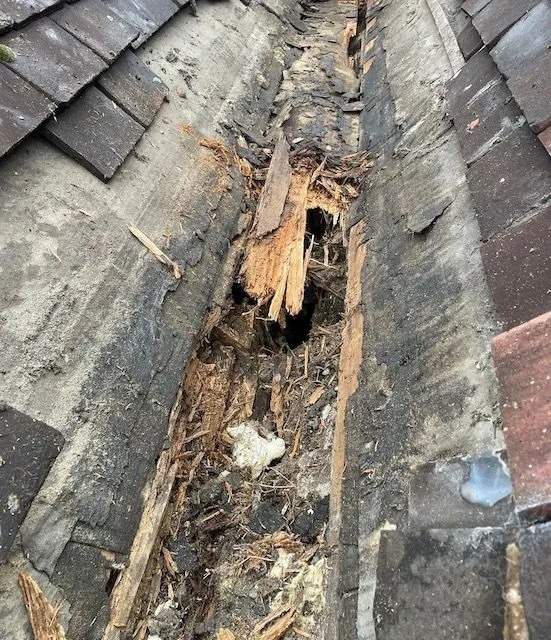
Winter is the toughest season for any roof in East Yorkshire. Gales coming off the North Sea, long spells of heavy rain, hard frosts and the occasional snowfall all test every tile, joint and gutter. Small problems that went unnoticed over the summer can quickly turn into leaks once the weather turns.
The good news is that a little preparation in autumn goes a long way. A roof that has been checked and maintained before winter is far less likely to suffer storm damage or leaks – and far cheaper to look after. Here is a practical, step-by-step checklist from our roof repair team in Hull to help homeowners across Hull and the East Riding get their roofs ready for winter.
Why Winter Is So Hard on Roofs in East Yorkshire
- Strong winds – storms off the North Sea and up the Humber can lift loose tiles, ridges and flashing
- Prolonged rain – finds any weakness in tiles, valleys, flashing and flat roofs
- Freeze–thaw cycles – water in cracks freezes and expands, breaking mortar and porous tiles
- Snow and ice – add weight to roofs and gutters, and melting snow can back up under tiles
- Short days and damp air – encourage moss growth and condensation in lofts
1. Clear Your Gutters and Downpipes
By late autumn, gutters are often full of leaves, moss and debris. Blocked gutters overflow, soak walls and fascias, and can freeze solid in cold snaps – adding weight that pulls brackets loose. Make sure water flows freely to every downpipe and that the downpipes themselves are clear at the bottom. Our article on why regular gutter maintenance is essential explains why this is so important.
2. Look for Slipped, Cracked or Missing Tiles
From the ground, use binoculars to scan the roof for tiles or slates that look out of line, cracked or missing. Even one gap lets wind get underneath neighbouring tiles, which is how a single slipped tile can turn into widespread storm damage. Never climb onto the roof yourself – leave it to a professional.
3. Check Ridge and Verge Tiles
Mortar on ridge and verge tiles is often the weakest point on an older roof. Look for cracked or missing mortar, gaps under the ridge and tiles that appear loose or uneven. If mortar keeps failing, a dry fix ridge and verge system is a long-term, low-maintenance solution that copes well with coastal winds – read about the benefits of dry fix roofing.
4. Inspect the Chimney and Flashing
Check that the chimney pots are secure, the brickwork and pointing are sound and the lead flashing is sitting flat against the roof. Lifted or split flashing is one of the most common sources of winter leaks. Our guide to chimney flashing problems explains the warning signs in detail.
Book Your Pre-Winter Roof Check
Let our experienced roofers check your tiles, ridges, chimney, flat roofs and gutters before the storms arrive – and fix small problems before they become big ones.
Get a Free Quote →Call Hull 01482 765054Call Scunthorpe 01724 4501025. Check Flat Roofs for Ponding and Cracks
Flat roofs on extensions, garages and dormers are particularly vulnerable in winter. Standing water can freeze and expand, opening up cracks and splits. Clear leaves from outlets and look for blisters, splits, lifted edges or areas where water collects after rain. If your flat roof is near the end of its life, our comparison of GRP, EPDM and felt flat roofs will help you plan a replacement, or visit our flat roofing services page.
6. Check Valleys and Abutments
Valleys – where two roof slopes meet – carry a large volume of water and often collect leaves and moss. Abutments, where a roof meets a wall, rely on flashing to stay watertight. Both are common leak points in heavy rain, so make sure they are clear and in good condition.
7. Look Inside the Loft
On a bright day, go into the loft with a torch and look for:
- Daylight showing through the roof
- Damp patches, water stains or wet insulation
- Torn, brittle or sagging underlay
- Condensation, black mould or damp on the rafters
- Signs of birds, rodents or insects getting in
Good loft ventilation is essential in winter. Without it, warm, moist air from the house condenses on cold timbers and can cause damp and rot. Vented soffits are one of the best ways to improve airflow – see why your fascias and soffits matter.
8. Inspect Fascias, Soffits and Bargeboards
Rotten or loose fascias can let gutters sag and allow water into the roof edge. Look for peeling paint, soft timber and gaps. Winter weather will quickly make these problems worse.
9. Trim Overhanging Branches
Branches hanging over the roof can scrape tiles in high winds, drop leaves into gutters and even break off during storms. Cutting them back before winter reduces the risk significantly.
10. Deal With Moss Build-Up
Thick moss holds moisture against tiles, can lift them as it freezes and washes into gutters, causing blockages. It should be removed carefully by a professional, as aggressive pressure washing can damage the tile surface and shorten its life.
What to Do If Your Roof Is Damaged in a Storm
- Stay safe – never climb onto the roof or use a ladder in bad weather
- Protect your belongings – move items away from any leaks and catch drips in a bucket
- Turn off electrics if water is near light fittings or sockets
- Take photos of the damage inside and out for your insurer
- Call a professional roofer to make the roof watertight as soon as possible
If you are unsure whether damage needs urgent attention, read signs your roof needs immediate professional repairs and our guide to the most common causes of roof leaks in Hull.
Is It Time for More Than a Repair?
If your roof needs repairs every winter, it may be reaching the end of its working life. Our guide on how long a roof lasts in the UK and our checklist of 10 signs your roof needs repair or replacement can help you decide whether repairs are still worthwhile or whether a new roof would be the better investment.
Winter Roofing FAQs
Can roof repairs be done in winter?
Yes. Most repairs – replacing tiles, fixing flashing and making leaks watertight – can be carried out in winter during dry spells. Some flat roof systems need specific temperature and weather conditions, which we plan around.
When should I book a pre-winter roof inspection?
September to November is ideal, before the worst of the winter storms. However, it is never too late to have a roof checked.
How often should my roof be inspected?
Every few years as a minimum, and after any major storm. Older roofs and properties in exposed locations benefit from more regular checks.
Related Roofing Guides
Get Your Roof Winter-Ready
Our experienced roofers cover Hull and the whole East Riding. Book a free, no-obligation roof inspection and quote today.
Request Your Free Quote →📞 01482 765054Covering Hull, Beverley, Goole, Scunthorpe, Selby and the wider East Riding.