Skip to content
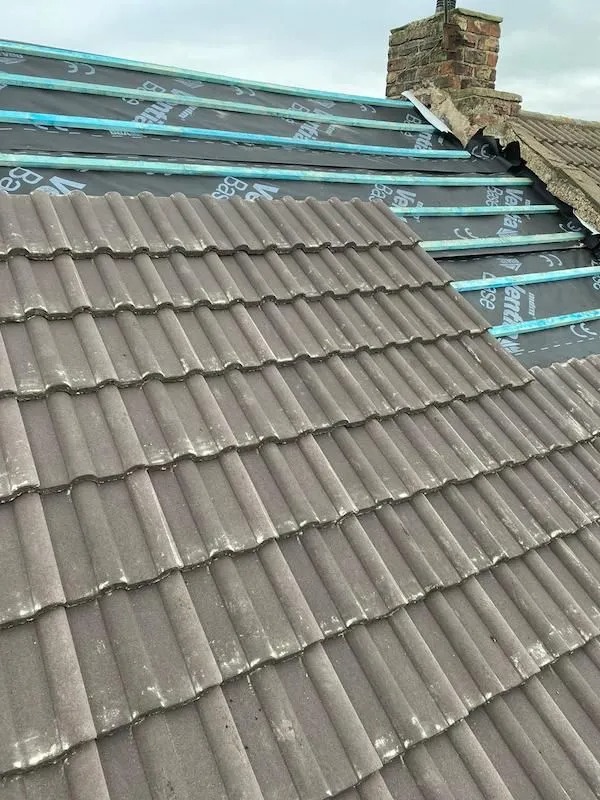
A new roof is one of the biggest investments you will make in your home, so it is natural to want to know how long it will last. The honest answer is: it depends – on the materials used, the quality of the installation, how exposed the property is and how well the roof is maintained.
In this in-depth guide, our roofers explain typical lifespans for the most common roofing materials in the UK, the hidden components that usually fail first, what shortens a roof’s life in places like Hull and the East Riding, and the signs that it may be time to plan a new roof.
Typical Roof Lifespans by Material
The figures below are general guides based on UK conditions. Individual roofs can last longer or fail sooner depending on exposure, workmanship and maintenance.
Natural slate – 80 to 100+ years
Good-quality natural slate is one of the longest-lasting roof coverings available. Many Victorian terraces in Hull still have their original Welsh slates. However, the nails holding slates in place often corrode long before the slates wear out – a problem known as “nail sickness”, which causes slates to slip one by one.
Clay tiles – 60 to 100 years
Clay tiles are fired at high temperatures, making them dense, durable and colourfast. Handmade and quality machine-made clay tiles can last for generations if the roof structure and fixings are kept in good condition.
Concrete tiles – 40 to 60 years
Concrete interlocking tiles are the most common covering on post-war and modern homes across East Yorkshire. They are strong and cost-effective, though their surface gradually erodes, making them more porous and prone to moss as they age.
Artificial (synthetic) slate – 30 to 50 years
Fibre cement and composite slates offer a slate look at a lower cost and weight. Lifespan varies widely between products, so choosing a reputable manufacturer matters.
Flat roofs – 15 to 30+ years
Torch-on felt usually lasts 15 to 25 years, while GRP fibreglass and EPDM rubber can last 25 years or more when properly installed. We compare them in detail in GRP vs EPDM vs Felt: Which Flat Roof Is Best?
The Hidden Components That Usually Fail First
Very often, the tiles or slates are not the problem. It is the parts underneath and around them that wear out first – and these are what decide whether a roof can be repaired or needs replacing.
Underlay (roofing felt) – 20 to 50 years
Older bitumen felt underlay becomes brittle and tears, particularly at the eaves, allowing wind-driven rain and draughts into the loft. Modern breathable membranes perform much better.
Timber battens – 30 to 50 years
Battens hold the tiles in place. If they become damp they can rot or lose their grip on the nails, causing tiles to slip.
Mortar ridges and verges – 15 to 25 years
Traditional mortar bedding on ridge and verge tiles is often the first part of a roof to need attention, especially in exposed coastal areas. A dry fix roofing system replaces mortar with mechanical fixings – read more about the benefits of dry fix roofing.
Lead flashing – 40+ years
Lead around chimneys and abutments lasts a long time, but the pointing that holds it can fail much sooner. See our guide to chimney flashing problems.
Fascias, soffits and gutters
Painted timber fascias may need attention every few years, whereas uPVC roofline products are designed to last for decades. Find out why in uPVC fascias and soffits: why your roofline matters.
Want to Know How Much Life Your Roof Has Left?
Book a free roof inspection. We will check the tiles, underlay, battens, ridges and flashing and tell you honestly whether repairs or a new roof make more sense.
Get a Free Quote →Call Hull 01482 765054Call Scunthorpe 01724 450102What Shortens a Roof’s Life in Hull and East Yorkshire?
Roofs in Hull and along the Humber face tougher conditions than many inland areas:
- Coastal winds – gusts off the North Sea lift tiles, ridges and flashing
- Salt-laden air – speeds up the corrosion of nails, clips and metal fixings
- Driving rain and high humidity – encourage moss, lichen and damp
- Freeze–thaw cycles – water in cracks freezes, expands and breaks mortar and porous tiles
- Blocked gutters – cause water to back up under the roof edge and rot fascias
- Poor ventilation – condensation in the loft rots timbers and battens from the inside
- Poor original workmanship – incorrect fixings, laps or pitches can halve a roof’s life
How to Make Your Roof Last Longer
- Book a professional roof inspection every few years and after severe storms
- Replace slipped or cracked tiles promptly before wind gets underneath neighbouring tiles
- Keep gutters and downpipes clear, especially in autumn
- Remove heavy moss growth carefully – aggressive pressure washing can damage tiles
- Repair failing mortar or upgrade to a dry fix ridge and verge system
- Make sure the loft is properly ventilated, especially after adding insulation
- Deal with small leaks immediately – water damage spreads quickly into timbers
Our article on why regular gutter maintenance is essential and our winter roof preparation checklist explain simple steps that make a real difference.
Roof Lifespans by Property Type in Hull
Hull and the surrounding towns have a real mix of housing, and each type tends to have its own roofing story:
- Victorian and Edwardian terraces – often natural slate roofs that are structurally sound but suffering from nail sickness, worn lead and tired chimney stacks
- 1930s semi-detached homes – frequently clay or early concrete tiles on original felt or no underlay at all, now reaching the point where re-roofing is the sensible option
- Post-war and 1960s–80s homes – concrete interlocking tiles that may still be sound, but with failing mortar ridges, verges and brittle underlay
- Modern new-builds – usually concrete tiles with dry fix systems and breathable membranes, but still vulnerable to poor installation and storm damage
- Extensions and garages – flat roofs that commonly need attention long before the main roof
Whatever type of property you own, our team has worked on it. Learn more about our experience or see the areas we cover.
Signs It May Be Time for a New Roof
Age alone does not mean a roof needs replacing. These signs suggest repairs may no longer be cost-effective:
- Widespread slipped, cracked or porous tiles across several areas
- Sagging roof lines or noticeably uneven areas
- Daylight visible through the roof from inside the loft
- Torn, brittle or missing underlay
- Repeated leaks in different places despite previous repairs
- Rotten or weakened rafters, battens or decking
- Large numbers of slates slipping due to nail sickness
For a more detailed checklist, read How do I know if my roof needs repair or replacement? 10 signs to look for, and if you have an active leak, see signs your roof needs immediate professional repairs.
Repair or Replace? Making the Right Decision
If the problems are confined to one area – a few slipped tiles, a failed ridge or a leaking valley – targeted roof repairs can add many years to the roof’s life. If the underlay has failed across the whole roof, or the tiles are reaching the end of their life, a full replacement is usually the better long-term investment. A new roof also gives you the chance to upgrade to modern breathable membranes, dry fix ridges and verges, and improved ventilation.
Roof Lifespan FAQs
How long does a new roof last in the UK?
A professionally installed concrete tile roof typically lasts 40–60 years, clay tiles 60–100 years and natural slate 80–100+ years. Underlay, battens and mortar may need attention sooner.
Can I just replace the tiles and keep the old underlay?
It is rarely worthwhile. If the tiles are being lifted, it is usually best to replace the underlay and battens at the same time, as they are often in worse condition than the tiles.
How long does a roof replacement take?
A typical three-bedroom semi-detached house can often be re-roofed in a few days to a week, depending on the weather and the size of the roof. Browse our recent projects to see examples.
Does a new roof add value to my home?
A sound, recently replaced roof is attractive to buyers and surveyors, and can help avoid issues being flagged during a sale.
Related Roofing Guides
Planning a New Roof in Hull or the East Riding?
Get honest advice from roofers with over 25 years of local experience. We never recommend replacement when a repair will do the job.
Request Your Free Quote →📞 01482 765054Covering Hull, Beverley, Goole, Scunthorpe, Selby and the wider East Riding.